
6 Must-Play Card Games That Get Everyone Pumped Up | Comparison Chart Included
6 Must-Play Card Games That Get Everyone Pumped Up | Comparison Chart Included
Card games that get people excited come in different flavors—ones that trigger laughter, ones fueled by psychological bluffing, ones that naturally spark conversation. This guide compares six classics—UNO, Love Letter, Nimmt, ito, Cockroach Poker, and Nanjamonja—across player count, playtime, ease of teaching, and conversation flow.
Card games that get people excited aren't all made equal. Some trigger laughter outright, others thrive on psychological reads, and some spark conversation that flows naturally. This article compares six classics—UNO, Love Letter, Nimmt, ito, Cockroach Poker, and Nanjamonja—across player count, playtime, ease of teaching, and conversation flow. By the end, you'll know exactly which game to bring to your next gathering.
I'll never forget when I brought ito to a networking mixer with eight first-time meeters. Laughter started from game one and didn't stop, making the entire evening feel more natural and relaxed. The magic wasn't in picking the most famous game—it was in choosing the one that fit the room's people and vibe. By the time you finish reading, you'll have a clear answer about which game to grab for your next group outing.
What Makes a Card Game "Get People Pumped"? Four Selection Criteria
When choosing a card game that will actually get people excited, there's actually a pretty clear checklist. The four axes I prioritize most when browsing shelves and hosting game nights are: appropriate player count, short playtime and good pacing, time needed to teach rules, and what kind of excitement actually emerges.
Player count fit is huge. Take ito—since conversation is the main event, more players mean more "wait, you thought of that?", making it stronger for first-timer situations. Love Letter, by contrast, typically comes in 2–4 player versions and crams psychological reads into its 5–10 minute window. Play it with 3–4 people, and the deduction deepens, bumping satisfaction up a notch. UNO works smoothly for 2–10 players, and when special cards shift the board, everyone reacts easily, so it plays well across age gaps. Nimmt also handles 2–10, but here's the kicker: more players = more tension from simultaneous reveals and more laugh-out-loud accidents. With three players it's tight; with six or eight, "you're really playing that?" happens constantly.
Playtime matters too. Short games aren't just "one and done"—they're ready for a second round immediately|quick follow-up. After dinner or mid-drinks, running two 10-minute games often beats settling in for one solid 30-minute stretch. I've watched a table of four have its best time with light card games back-to-back: first round to learn the rules, second round when the real competition starts. That "learning then performing" design does wonders for table energy.
Teaching efficiency is critical. If a beginner-heavy table gets worn out from explaining rules before the fun even starts, that's a waste. Teaching works best by hitting the overall shape first, then what you do on your turn, then edge cases last. Starting with just one trial round before deep-diving into mechanics is practical. With mostly newcomers, three minutes to start playing is the safety zone. ito, UNO, and Love Letter fit this bill easily—short explanations mean "let's just try one" happens fast.
The fourth axis is the flavor of excitement. Miss this and you get "it's fine, but not the buzz I imagined." ito thrives on conversation mode—value differences become the laugh itself, making it killer for first-time meet-ups. Love Letter is psychological mode—the payoff lands hardest in small groups. UNO is reaction mode—most people know it already, one card flips the table's temperature, so it slots perfectly into family trips and mixed-bag gatherings. Cockroach Poker leans bluff mode—deceiving and reacting—but it alienates people uncomfortable with being lied to, so knowing the vibe pays dividends.
Mismatches to Watch
Whether a game gets people pumped depends way more on fitting the player count than on fame. Industry rankings like 138GAMES and "Card Game Bestsellers" all show the same truth: squeeze a small-group game into a large gathering and pacing crumbles; stretch a big-group game across just a few people and it feels thin.
Run Love Letter as part of a large party warm-up, and downtime drags. Flip it—run a conversation game like ito with only three people—and while it technically works, fewer value clashes mean fewer "whoa, I didn't see that coming" moments. Nimmt follows the same pattern: its magic is the chaos that erupts at scale. Small groups mean cleaner reads and fewer "oops" laughs.
UNO is your flexible workhorse, but watch one thing: house rules. "Can you stack draw cards?" "What if you can't play?" The game's fame means every household plays it differently. One quick "are we going official today or our usual rules?" at the start smooths everything out massively.
Recommended Card Games Ranking【March 2026】
Card games both adults and kids can enjoy casually. Beyond classics like poker and UNO, there are tons of fun options like ito and Katakanashi that work great for parties. But with so many out there, picking can feel overwhelming.
my-best.comPrice and Portability
When you're packing games for trips or nights out, playability matters, but so do small footprints and prices you can actually stomach. UNO runs around $15–20 at US retailers, Love Letter around $18–22, ito around $22, and Cockroach Poker about $18. Together that's roughly $70–80 (prices shift by edition and distributor, so always check current versions before buying).
On a different note, TCGs like Pokémon Card Game and ONE PIECE Card Game absolutely dominate right now. Industry reports say the domestic TCG market exploded from about 14 billion yen (rough conversion) in 2020 to roughly 33 billion in 2023. That said, TCGs center on deck-building and ongoing duels—typically two-player focus—which is fundamentally different from "everyone at the table gets hyped fast." Different tools for different jobs.
Quick Card Game Comparison Table | Player Count, Time, Difficulty, and Buzz Type
Here's a side-by-side so you can scan and pick. Even famous classics play totally different roles:
Table Columns: Game / Players / Playtime / Age / Teaching / Difficulty / Conversation or Psychology / Best Moments / Avoid If / Watch Out For
Below is a table anchored to official or authorized retailer specs for count, time, and age, layered with real-table energy:
| Game | Players | Time | Age | Teaching | Difficulty | Conversation or Psychology | Best For | Skip If | Notes |
|---|---|---|---|---|---|---|---|---|---|
| UNO | 2–10 | Varies | 7+ | Very quick | Easy | Conversation: Medium / Psychology: Low–Medium | Family gatherings, trips, mixed ages, game newcomers | Serious, slow-burn strategic tables | House rules vary wildly; sync on them first |
| Love Letter | 2–4 | 5–10 min | 10+ | Very quick | Easy–Medium | Conversation: Medium / Psychology: High | 2–4 person tight reads in short bursts | Large groups, downtime between rounds | Some editions say 2–5; player count varies by edition |
| Nimmt | 2–10 | ~30 min | 8+ | Quick | Easy | Conversation: Medium / Psychology: Medium | 6+ person tables, chaos moments, post-dinner | 2–3 person power plays | Shines bigger; fewer accidents with fewer people |
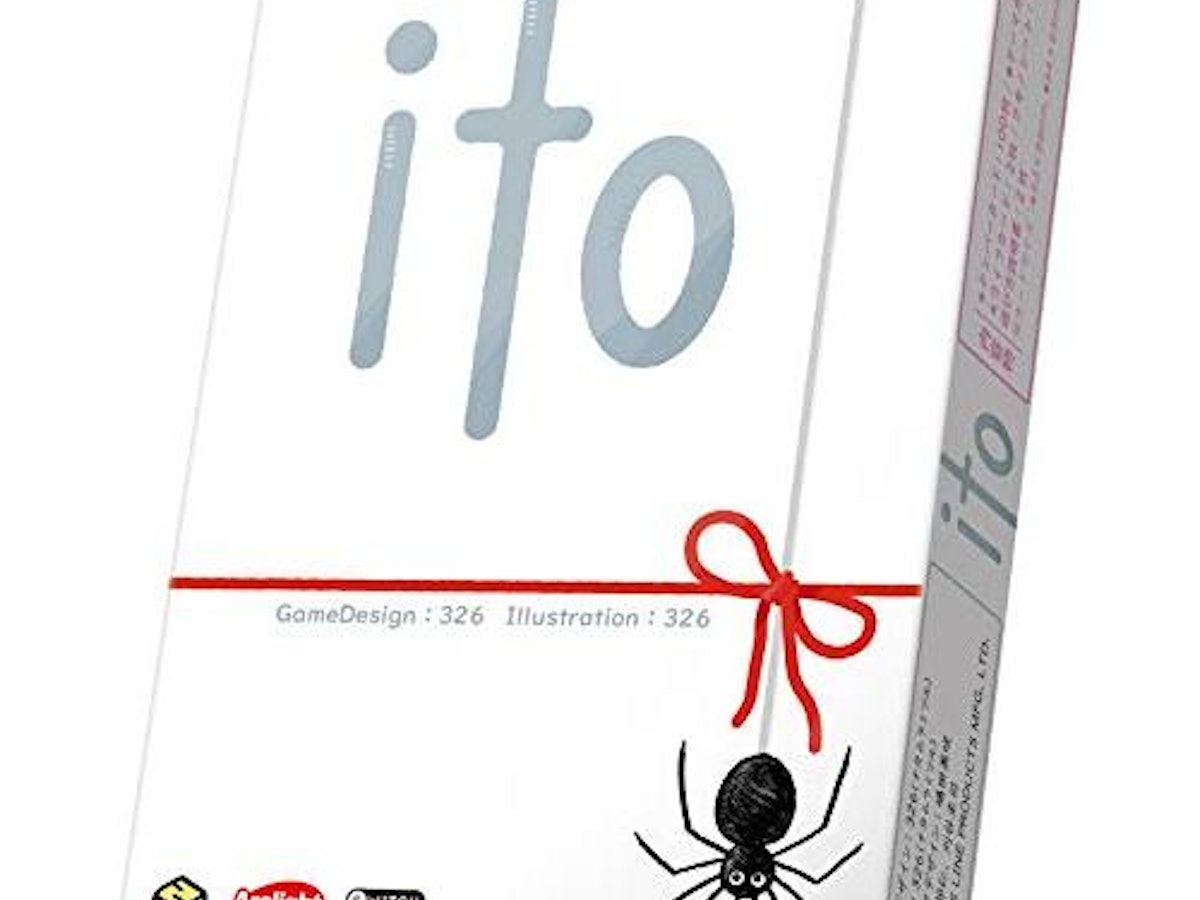
| ito | 2–8 | ~10 min | 8+ | Very quick | Easy | Conversation: High / Psychology: Low | First-timers, value-sharing, icebreakers | Dead-quiet tables | Some editions (ito Rainbow) go 2–14 |
| Cockroach Poker | 2–6 | ~20 min | 8+ | Quick | Easy–Medium | Conversation: High / Psychology: High | Bluff-loving drinks, close friend circles | Bluff-averse crowds | Hinges on deception; strong preference divider |
| Nanjamonja | 2–6 | ~10–15 min | 4+ | Very quick | Easy | Conversation: High / Psychology: Low | Kid-friendly tables, speed-naming laughs | Deep strategic play | Base is 2–6; mixing editions hits 12 |
The lineup shows UNO as the all-rounder, Love Letter as the tight small-group read, Nimmt as the mid-to-large simultaneous chaos, ito as conversation-focused, Cockroach Poker as bluff-focused, and Nanjamonja as reflex and naming laughs. When I'm stuck picking at a store, I usually cut on "players" and "room temperature."
Love Letter wins on short duration—six rounds easy in a one-hour slot, sometimes eight if you're rolling. Nimmt has more meat per round, so eight people grabbing it for the finale will heat up fast. Everyone stays locked in until the last card drops.
💡 Tip
Stuck? "Go Nanjamonja for laughs," "ito for chatter," "UNO to safely land it," or "Love Letter for tight small groups." Hard to miss.
Wide-net round-ups like "80 Popular Card Games" confirm: these six stick around not because they're famous, but because rules stay light and the table accepts them instantly. Ease of teaching plus fast entry = staying power.
【2026】Popular Card Games Recommended Ranking 80 | Board Game Lab
The definitive ranking of beloved card games. I've played and reviewed 450+ board games, so these picks are battle-tested. Check rules and detailed reviews anytime.
boku-boardgame.netproduct_links: UNO, Love Letter, Nimmt, ito, Cockroach Poker, Nanjamonja
As products, these six share light footprints, easy deployment, and pocket-friendly stacking. Mattel's UNO hits around $15–20 at major retailers, Arclight's ito around $22, Love Letter roughly $18–22, and Cockroach Poker about $18. A four-pack runs under $85, but editions and distribution shift prices—always verify current retail. Think of it like building a hand you can swap by room size and vibe, not betting everything on one heavyweight.
Retailer pages make the cuts clearer. UNO is fame incarnate—drop it in a family or trip kit and it works. Love Letter squeezes satisfaction into a small box, perfect for hammer out rounds. Nimmt sparkles when people crowd the table. ito's base (2–8, ~10 min) is a conversation-starter. Cockroach Poker is laughs-while-doubting energy. Nanjamonja spreads age gaps wide because speed and naming do the heavy lifting.
Lock this in: Kids? Nanjamonja or UNO. First-timers everywhere? ito. Tight foursome wanting heat? Love Letter or Nimmt. Trusted pals, anything-goes vibe? Cockroach Poker. Default game at last minute? UNO. Real talk: knowing these six shapes makes you pick instantly.
Card Games That Really Pop with 3–4 Players
With 3–4 people, read depth and tempo become everything. Unlike 6+ chaos, this count makes each person's move visible. Three players = cleaner info, denser reads. Four = more variables, more drama. Short games you can stack = better "one more" odds and smooth air.
Ranked lists like "24 Board Games for 3 Players" or "34 Board Games for 4 Players" always flag the same sweet spot: light rules, serious payoff. Let's zoom into three that nail it.
Love Letter
Love Letter is your window into small-count magic. Arclight's edition says 5–10 minutes, and one card flips everything. Density feels massive. It's the go-to when you want "simple yet stakes." Small groups see fewer cards alive, so reads sharpen. Who's nervous about what? Visible. This creates quiet heat—not loud laughs, but sharp little "you read that?" moments. One hand feels weighty even though it's fleeting. Satisfaction lingers.
Three players: cleaner sight lines, tighter prediction, almost chess-like. Subdued psychological warfare. Smaller stakes show. Quick payoff.
Four players: info scatters just enough. Reads don't lock down. Someone stirs chaos, another gets pulled in. Spectating gets fun. Elimination stings less because rounds fly. A one-hour slot? Six rounds easy, maybe eight if you're smooth. Small gatherings where you want heat without volume—this is it.
Love Letter Official Site
www.arclight.co.jpNimmt
Nimmt is famed for large tables, but 3–4 works fine. The shift: fewer accident laughs, more read weight. Meeple Games' version hits ~30 minutes, a solid anchor for this count. Two-to-ten range, about thirty minutes—steady tempo here.
Three players: sightlines clear, so "I don't want this row" reads tight. Reads lock down. Less wild chaos, more number-duel finesse. Luck matters less. Card-game pros praise it. Less wacky, more clean.
Four players: table fills up. Variables spike. Predictions crack. "Wait, that number?" laughs fire. Unpredictability rises. Holds better tempo—less overthinking. Call it: three = read-craft, four = rolling wave. Small crews: this one shifts personality by body count. Recognize that and it clicks.
Cockroach Poker
Want psychology up front? Cockroach Poker owns this count hard. Meeple Games pages show ~20 minutes. Light ruleset, but tone and handoff shift everything. You're doubting while grinning. Number reads are part of it; reading the person is bigger.
Three players: habits show fast. Bluff patterns lock. Simple lies don't cut it. Reads dig. Pure two-on-one heat. Speech and tone become your read tools. Quiet intensity, weird texture. Awkward because it's so focused.
Four players: doubt scatter. Bluffs breathe room. "Is that honest?" vibes shift. Someone speaks, the room pivots. Third-party words change the vector. Louder table, reaction comedy. Small reads feel hotter when multiple people can speak.
💡 Tip
Three people? Love Letter for tight reads. Four people? Nimmt or Cockroach Poker for variable energy. Small gatherings: pick "quiet heat" or "voiced heat"—hard to botch.
Card Games That Really Pop with 5+ Players
Games that warm rooms with 5+ people show unmistakable marks: 30–60 second teach is possible. Plus, non-turn moments still feel participatory. Parties and trips don't start at max game-brain. You need rules you catch mid-listen and a design where sitting still doesn't feel like waiting.
UNO (wide fame), ito (conversation woven in), and Nanjamonja (naming as the motor) all fit. Upside-down from "best player wins"—instead, design where everybody lands a word, everybody lands a reaction. Bigger payoff.
UNO
UNO is your easiest large-table rotation. Mattel's version: 2–10 players, 7+, easy as it gets. The real strength? "Basically everyone knows this." Monita's 40-Pick list always ranks it top tier. That fame = shorter teach.
Real talk: nine people at drinks? First lap is tentative. Then Skip, Reverse, Draw cards start stacking. Boom—voices jump. Non-turn players chirp ("ouch!" "it came back!") so the wait never feels hollow. That side-commentary space matters hugely in big rooms.
Beginner-friendly is obvious. "Same color or same number" is pure instinct. No strategy maze. Family trips? Yes. Age-gap tables? Yes. Mixed-experience groups? Yes. The flip side: UNO has house rule chaos. "Stack draws?" "What if you can't play?" Fame means every household plays different. One sentence before go—"official or usual?"—and friction vanishes, pacing stays clean.
ito
ito shifts the whole frame: less "play the game," more "converse through the game." Arclight ito Rainbow: 2–14 players, 5–15 minutes, 8+. Why it crushes large tables: the core is sharing perspective. ビックカメラ's 60-pick list highlighted its light weight and icebreaker muscle.
Here's the mechanic: you can't say numbers directly; you describe your sense of the prompt instead. Your personality naturally surfaces. Eight-person table? Perspective clash guaranteed—"you rank that that high?"—laughter blooms. From-scratch teambuilding meetings? ito works. Chatty types don't dominate; quiet people still land moments.
Beginner payoff is sharp: winning matters less than the idea. Rule comprehension gaps don't strangle anyone. "How do I say it?" beats "did I calculate right?" Opening a drinks night? Watch the room thaw. Bedtime on a trip? Bonding happens. Crowded rooms, singular voices. ito's secret: big room but feels one-on-one.
Nanjamonja
Nanjamonja is your naming sprint + reflex engine that vaults generation gaps. Single box: 2–6 players, ~10–15 min, 4+. Mix sets? Up to 12. Family gatherings, cousin mix-ups—totally in scope.
The pulse: mystery card art gets a name right now. Serious or silly, naming becomes shared language. Next time that creature appears, shout the name first. That's it. Naming style becomes the joke itself—a kid's wild innocence shines; adults overthink and belly-flop. That difference is the comedy.
Beginner magic is stark. Explain? "Name weird creatures, shout when you see them again." Done. No grinding calculator brains. Pure reflex play, so downtime evaporates. Cross ages, totally leveled. Dinner with toddlers? Yes. Afternoon with grandparents? Absolutely. Winning takes backseat to "we all named Mr. Squiggles together," and that bonds tables.
💡 Tip
Five-plus? Go UNO for universal know-how, ito to deepen chat, or Nanjamonja for age-wide laughs. All three: easy teach, nobody drowns, full-room energy.
Scene-by-Scene Picks | Beginner-Proof Plays
"So which one won't I regret?" Real answer: less about the game, more about who's sitting there. Seasoned players want different hooks than families. First-timers need different air than a crew that knows each other.
Family (Multi-Generation)
Reach for Nanjamonja or UNO. If little ones who can't read yet are there? Nanjamonja first. Why? See it, remember it, shout it—zero literacy required. Younger kids crush on instinct; older folks overthink; mixed ages stay level. UNO also steadies multi-age tables once everyone's played it before. "Same color, same number" reads clear across 7 to 77. Family trip = UNO. Breakfast with toddlers = Nanjamonja.
First-Timers Everywhere
ito wins. Core reason: buzz comes from shared difference, not score. "You ranked that so high?" is instant icebreaker. Self-intro struggles disappear; the game does the talking. Bonus: nobody feels behind. Teaching moment: start with everyday prompts ("breakfast foods") before abstract ones. Room loosens faster. Preps the soil.
Gamer Mix in the Room
Love Letter or Nimmt keep stakes real without locking out beginners. Both: light doors, serious inside. Love Letter's 5–10 minute window means three-to-four-round sprints; newcomers climb the curve fast. Nimmt's ~30 minutes lands meaty without intimidating. Late night at the cabin? Love Letter gets that subdued-but-tense feeling right. Medium crowds with mixed chops? Nimmt shows accident laughs that everyone grabs.
Time Filler ("Waiting Mode")
Love Letter or Nimmt nail it. Love Letter is the "literally five to ten minutes, truly done" closer—fits any gap. Playtime flexibility is huge. Nimmt floods time evenly, so it sits midway without dragging. End of drinks, pre-dinner slack? Love Letter rotates you through rounds.
Trips and Get-Togethers
Pack two small boxes. Say, Love Letter + Nanjamonja. Quiet evening? Love Letter. Morning crowd? Nanjamonja laughs. Swap by air. "What's the best game?"—wrong question. "What shape is the room right now?"—right.
Picking When You're Stuck
Think in order:
- Lock player count first
- Scan the comparison chart; flag things teaching in under 3 minutes
- Lean beginner-heavy? UNO or ito
- Three-to-four person read contest? Love Letter or Nimmt
- Travel or party? Favor small boxes, short runtimes
- UNO? Nail down house rules before you start
Wider beginner guides exist (like the board game primer for newcomers or first-buy guides). Picks get sharper the more you read context.
💡 Tip
Skip "one game does it all." Split into "easy entry" (UNO, ito) and "shift the air" (Love Letter, Nanjamonja) bins. Pick gets way easier.
Teaching-Rule Mastery
Biggest teaching win: sketch the map before details. Beginner tables crater when you detail house rules before the shape lands. Lock this order rigid: overall flow → what you do on a turn → win condition → exceptions way later. Listener's mind settles way faster.
UNO example: "You play matching color or number; first empty hand wins." Already playable. Then "on your turn, play one card or draw." Now you're moving. Then "but these cards do special things"—backstory comes after. Same with Love Letter or Nimmt. What pushes the game forward matters. Card effects? Backstory.
Cap teach at 2–3 minutes, then run a trial round. One fake lap before "real" lap. Gluing theory to practice solves more confusion than words alone. Mistakes are okay; they teach the rules better than I could.
Beginner Rooms = Avoid Long Teaches
Skip games needing fifteen-minute rule uploads in beginner rooms. Bore kills more games than complexity. Hit them with hands-on designs: UNO, ito, Nanjamonja. Grab-and-go rulesets. Teach-to-play ratio matters more than mechanical depth. First hit of fun matters.
UNO: Lock House Rules First
One UNO gotcha: harmonize house rules upfront. Stacking Draw 2s? Seven hand-swap? Jump-in? Fame means every household mutates it. Thirty seconds: "official or usual today?" The game flows after that. UNO is beginner-accessible until hidden rules wreck it. Squash it fast.
ito: Prompt-Difficulty Sets the Vibe
ito depends less on rules, more on opening prompt difficulty. Too abstract? Room goes silent. Start concrete: "snacks," "stationery," "stuff you see daily." Shared ground helps. Once round one lands, abstract prompts snap properly. Grounding matters.
💡 Tip
Teach chaos? "What makes this game win?" in one sentence → how your turn works → test-run one lap → go live. Full competence isn't needed upfront. Safe first move beats perfect knowledge.
Full teaching frameworks exist (templates, scripts, prep checklists). Small-table hosting gets way tighter with structure.
Wrap-Up | Your Next Game, Decoded
Speed Run
Three-to-four people? Love Letter or Nimmt. Five-to-eight? ito, no question. Multi-age or green crowd? UNO or Nanjamonja. Bluff-friendly crew? Cockroach Poker.
Lock this: chat-forward = ito, bulletproof safety = UNO. Two-box combo? ito (air shifter) + Love Letter (density keeper) = ridiculously smooth.
Bluff-curious future? Next time pick bluff-family games. Lore want more psychological types? Branch into that umbrella. Next shelf hit gets smarter.
Can't choose? Light install (UNO, ito, Nanjamonja) first, then short reads (Love Letter) or chaos scale (Nimmt) branches from there. Stack choices by people and moment, not name-fame.
Opener-closer trick? ito → Love Letter flow. First unfreezes chat, second locks focus. Energy arc feels right.
Related Articles
12 Card Games Beyond Playing Cards — What to Buy Next
Even if a standard deck and UNO are your go-tos, picking the next card game can feel overwhelming. This guide compares 12 games — including Dobble, 6 Nimmt!, SCOUT, Love Letter, and ito — across player count, play time, difficulty, and price so you can quickly find the right match for your group.
7 Best Deck-Building Card Games|A Dominion-Style Beginner's Guide
Many newcomers to deck-building games wonder whether to start with the classic Dominion or try something more intuitive. This guide compares 7 titles—including Dominion itself—through practical lenses like player count, play time, and experience type, then recommends the right entry point for your table.
Affordable Card Games Ranked | Must-Try Classics Under ¥1,500 in Japan
Even in the ¥1,000–1,500 price range in Japan, you'll find card games that earn immediate praise the moment they hit the table. This guide breaks down classic small-box staples like [[Nimmt]], [[Nanja Monja]], [[Love Letter]], [[Coyote]], [[Penguin Party]], and [[Timeline: Inventions]] by more than just price—covering player count, play time, beginner-friendliness, and how the energy builds, so you can find exactly what fits your game night.
15 Card Games Adults Actually Get Hooked On
Adult card games stretch far beyond the usual suspects like playing cards or UNO — from tense bluffing sessions that wrap up in minutes to conversation-starters that warm up any room, to deep strategy games that demand real thought. This guide compares 15 titles across player count, playtime, and complexity so you can find the one that fits your group.