
How to Choose a Board Game: Pick by Player Count, Time, Then Complexity
How to Choose a Board Game: Pick by Player Count, Time, Then Complexity
When you can't decide on a board game, narrowing down by player count first, then play time, then complexity is the most reliable way to avoid a mismatched session. In my experience, walking through those three questions in order makes "this wasn't what I expected" moments almost disappear.
When you're stuck choosing a board game, narrowing down by player count → play time → complexity is the fastest way to avoid the dreaded "this wasn't the kind of session I had in mind" moment. Run through those three questions in that order and things tend to fall into place.
This article is for anyone — especially groups with first-timers — who's ever wondered "what should we play?" It covers how to match games to your headcount, how to think about the under-20-minute, 30–60-minute, and 60-plus-minute time brackets, and how to factor in BGG Weight (0.0–5.0) alongside rules explanation load. For a deeper dive into buying your first game, check out the beginner's guide on this site.
By the time you finish reading, you should be able to name three solid candidates for your next session — whether that means picking something as accessible as Hanabi or Century: Spice Road, or going all-in on a meatier title.
Why Picking on Three Axes Prevents Most Session Disasters
The number of players isn't just a constraint — it fundamentally shapes what kind of fun the game generates. Get it wrong and the session feels off even when the play time and difficulty are fine. That's why the priority order is player count > play time > complexity. Lock in the experience the game is designed to deliver at the right headcount, then fit it to your available time, and finish by matching the weight to your group. That sequence alone eliminates most misfires.
Player Count Changes a Game's Whole Philosophy
Two-player games lean heavily on reading your opponent. With only two people affecting the board, every move carries more weight — you can trace the logic of each decision, feel the back-and-forth, and enjoy the satisfaction of precise play. Abstract games and direct confrontation titles shine in this format. What you give up is the chaotic group dynamic: the "who do we stop now?" conversations and the energy shifts that happen when three or more people are at the table.
Three to four players is the sweet spot. Most games are designed around this range because it balances turn rotation, board development, and the mix of negotiation and competition. Groups with beginners especially tend to land well here. The sheer variety of 30–60 minute games at this count makes it easy to build a satisfying session around a single main game.
Five or more players introduce a different set of challenges. Any design that makes everyone wait quietly for one person's turn starts to drag. The bigger the group, the more the game needs simultaneous choices, simultaneous reveals, real-time elements, or cooperative mechanics that keep everyone engaged during other players' turns. Without some kind of "I'm always doing something" hook, temperature differences between engaged players and checked-out ones appear quickly.
"Good at Three" and "Best at Four" Are Not the Same Thing
This one gets overlooked constantly. Three-player games tend to work because the board stays readable and the interaction is dense without becoming overwhelming. You can see who's ahead, and it's hard for a permanent two-against-one dynamic to lock in.
Four-player games often achieve something different: market spaces fill up, maps get tight, and the collision of competing priorities feels complete only with that fourth person at the table. Play it at three and you'll notice a bit of breathing room where there shouldn't be any — the competition pressure softens slightly. Some games are built to be sharp at three; others are only truly finished at four. Treating those as the same because the box says "3–4 players" leads to sessions that feel slightly off and you're not sure why.
For Play Time, Think "Happy Ending" Not Just "Fits the Schedule"
Once you've sorted player count, look at time. The 30–60 minute bracket is the core of medium-weight gaming — it maps neatly onto a weeknight main game slot. Something like Century: Spice Road (2–5 players, 30–45 minutes) has enough decision-making to feel satisfying but finishes at a length where "one more game?" comes naturally.
Games over 60 minutes are for sessions where everyone has committed to a proper sit-down. Legends of Andor (1–4 players, 60–90 minutes) and The Lord of the Rings: Journeys in Middle-earth (1–5 players, 60–150 minutes) reward the kind of attention you can only bring when time isn't a concern. Force those into a two-hour window and you'll either cut the game short or spend so much energy on the Rules explanation that the actual play feels exhausted before it starts.
センチュリー:スパイスロード 完全日本語版 - ArclightGames Official
メーカー:Plan B Games デザイナー:Emerson Matsuuchi 原題:Century:Sp
arclightgames.jpComplexity Means Rules Explanation Load, Not Just BGG Weight
Complexity is the last axis to tune, but the thing to watch isn't just mechanical depth. BGG Weight gives you a useful overview, but on the actual table it's Rules explanation load that kills momentum before a single card is played. Resources like the board game rules explanation guide and How to Give the Ideal Board Game Pitch make the same point: lead with the goal and the flow, and don't front-load exceptions or advanced strategy.
I rough-estimate Rules explanation load by three questions: Can I explain this in about 10 minutes, or does it need 20, or closer to 30? How many exception cases are there? How many things does a player have to juggle on their very first turn? In groups with non-gamers, concentration starts dipping once explanations pass the 15-minute mark. Games where everyone can say "my turn came around" and "I actually did something on the board" within the first 10 minutes of play have a noticeably different energy from those that don't.
💡 Tip
For mixed groups with beginners, designs that give everyone a constant "I'm participating" feeling work best — cooperative games, simultaneous selection, and simultaneous reveal are all good. Hanabi (2–5 players, ~30 minutes) is the classic entry point for this.
Even within cooperative games, Hanabi — short, everyone talks — and Aeon's End — 1–4 players, 60 minutes, deep card synergies — suit completely different occasions. Neither is better; the point is that going through the player count, time, and complexity questions in order keeps you from recommending the wrong one.
ボードゲームのルール説明のコツ・インストの考え方
ボードゲームのルール説明(通称インスト)を頻繁にします。 ボードゲーム宿をやっているからというのもありますし、それ以前からボードゲームを友人に布教する役回りであったことから相当数のルール説明をしてきま
bodogenist.comStep One: Filter by Player Count
What Two-Player Games Are Actually Like
Two-player board games put reading your opponent front and center. Fewer people means every move is more legible — "oh, that piece two turns ago was setting this up" and "they're taking that spot to block me" are thoughts you can actually have. At a board game café, couples or friends who want a focused head-to-head match consistently report high satisfaction at two players.
That pull toward mind games naturally pushes the design space toward puzzles, direct confrontation, and abstract-leaning titles. Pure luck swings matter less; the clarity of each decision is what stands out. Cooperative games still work at two, but the group-conversation energy — "whose idea do we go with?" and the way the table's mood can shift — is thinner than with more people. Two-player sessions are more about locked-in attention and measured moves than about volume of talking.
One underrated advantage: even short games feel substantial at two. Hanabi is listed at 30 minutes for 2–5 players, but at two the consultation density is so high that it becomes a quietly intense cooperative puzzle. Quick to table, but never trivial.

花火 第二版 / Hanabi - ボードゲーム&アロマ LITTLE FOREST online shop
全員で協力して花火を打ち上げよう! プレイヤー全員で極上の花火を打ち上げる協力ゲームです。 赤・青・黄・緑・白
littleforest.shopThree Players vs. Four Players
Three to four is the core band of board gaming, with the widest selection. Lists organized by player count (like the Jelly Jelly Café recommendations) break this range out separately because it genuinely dominates real-world play. Medium-weight 30–60 minute games pair especially well with three or four players, and something like Century: Spice Road (2–5, 30–45 minutes) gets most of its table time at this count.
That said, "good at three" and "best at four" are not interchangeable. Keeping them distinct is one of the higher-leverage habits in game selection. Games that work well at three tend to have dense interaction while staying readable — turns rotate quickly, you can test the plan in your head before the board changes on you. Three is tight enough to feel competitive without being overwhelming.
Four-player games complete differently. A fourth person means the market gets crowded, the map fills in, and choices genuinely collide in a way that three players can't fully replicate. At three there's often a bit of slack — easier, but with slightly softer competition. At four, the design snaps together: "the turn order at four is exactly what makes this feel right."
ℹ️ Note
A useful shorthand: three players gives you density and pace, four gives you bustle and competitive pressure.
The difference shows clearly even with beginners at the table. At three, it's easier to explain what's happening and harder for anyone to fall behind. At four, the session feels livelier but some games start showing their Downtime. That's why player count alone doesn't tell you how the session will feel — you need to know whether this particular game tightens up at three or clicks into place at four.
おすすめボードゲーム(プレイ人数別) | JELLY JELLY CAFE ボードゲームカフェ
jellyjellycafe.comWhat Makes a Game Work at Five or More
Past five players, the priority shifts from strategic depth to keeping everyone engaged without a gap. Turn-based games with slow deliberation become problems at this count — when each person waits 90 seconds or more for their turn at a table of five or six, side conversations multiply and focus drifts away from the board. It happens consistently.
The formats that hold up: simultaneous selection, simultaneous resolution, real-time, cooperative, and team-based. Any mechanism that lets every player think or weigh in while someone else is acting keeps the energy intact. Hanabi, for instance, has one active player per turn, but everyone is tracking the same shared information and contributing mentally — the waiting doesn't feel like waiting.
The failure mode is a game with a lot happening on any one player's turn but nothing for the others to do. Complexity alone isn't the problem; it's the shape of the complexity. Journeys in Middle-earth works at larger counts because the cooperative structure means you're always watching the board with purpose. For Heavy games at big tables, the key question is: "Is there something to do when it isn't your turn?"
Player Count Comparison Table
| Count | Feel | Downtime | Conversation | Best Genres |
|---|---|---|---|---|
| 2 | High-stakes reads, every move matters | Minimal | Focused, functional | Abstract, direct duel, 2-player co-op |
| 3 | Dense interaction, board stays readable | Short | Natural back-and-forth | Medium euro, competitive, co-op |
| 4 | The classic band — good balance, high competitive density | Moderate | Lively with room for tension | Standard euro, draft, competitive |
| 5+ | Works best with built-in participation hooks | Highly design-dependent | High | Party, simultaneous, co-op, team |
The takeaway: player count isn't just a ceiling. It's one of the conditions that determines what kind of session you're going to have. Three to four is the default because the turn rhythm, conversation level, and competitive pressure all land well there — not just because there are more options. Two has its own intensity; five-plus demands its own design DNA.
Step Two: Filter by Play Time
Under 20 Minutes
Short games are powerful openers and icebreakers. They're the right call when the group hasn't warmed up yet or when you're reading the room on what people feel like playing. More important than depth is getting everyone to their first turn as fast as possible. A long explanation for a short game cancels out the whole point — people came to play something breezy, and you've already spent a quarter of the session talking.
For this bracket, a minimal explanation is genuinely enough: the win condition, what you do on your turn, and what's not allowed. If those three things land, the game can run. Hanabi is technically listed at 30 minutes, but its core — cooperatively pass information to play cards in order — clicks fast enough that it works as a gentle opener for groups that want to ease in. Games where you learn by doing your first round rather than hearing about edge cases are at their best here.
Short doesn't mean shallow. The real advantage is that you can laugh, get stuck, and play again in rapid succession. By the time the first short game ends, conversations that weren't happening before have usually started. That momentum into a heavier main game is worth more than it looks.
30–60 Minutes
This is the bracket that feels right most often. Medium-weight game recommendation lists consistently treat 30–60 minutes as the center of gravity for good reason — it's where everything from casual introductions to regular gaming groups finds its main event.
The structural advantage is that a single session has room for an arc: you set a direction in the early game, bump into other players in the middle, and see who's ahead as the endgame approaches. Too short and you cut off right when things get interesting; too long and you start rationing mental energy. Thirty to sixty minutes sits exactly in the middle — a weeknight main game that ends when it should.
Century: Spice Road (30–45 minutes) captures what this bracket does well. The rules go down easily, but every turn has a real decision in it, and the game leaves a mark after you play it. Hanabi sits at the low end of the range and doubles as a light entry into the bracket. Games in the 30–45 minute zone tend to end with "another one?" said without thinking — not too heavy, not too light.
ℹ️ Note
The 30–60 minute bracket has the best ratio of easy explanation to genuine satisfaction, and it's the zone least likely to go sideways in mixed-experience groups.
When searching for medium-weight games that aren't too hard, look at more than the time estimate — check how many decisions pile up per turn. A 45-minute game can feel like a walkthrough if the choices are simple, or feel noticeably heavier if there are lots of exceptions and forward planning. That range of variance is actually a strength: there's something in this bracket for almost every group dynamic.
中量級ボードゲームのおすすめ27選(30分~60分) | ぼくボド
ボードゲームの世界には、初心者向けからゲーマー向けまで様々な難易度のゲームがあります。 その中でも、中量級ボードゲームはルールが単純すぎず、かといって複雑すぎないのが良いところ。ちょうどいい難易度なので、友達や家族と一緒に楽しむのにぴったり
boku-boardgame.net60–90 Minutes
This is the main event for a proper gaming day. Weekend sessions, groups that showed up specifically to play something substantial, people who want the slow build of a single title — this is their bracket. Individual moves carry more meaning, the board accumulates history, and when it's over there's a real sense that something was accomplished.
Legends of Andor (1–4, 60–90 minutes) and Aeon's End (1–4, 60 minutes) are both in this space. Neither has the instant gratification of shorter games; both reward the kind of attention you can only bring when the session isn't fighting the clock. At the longer end, Journeys in Middle-earth (1–5, 60–150 minutes) changes the table's atmosphere just during setup — people come in already focused.
The catch: this bracket only feels comfortable when you've accounted for the full session, not just the box time. A rich game with a rushed start hits differently than a well-prepared one. With beginners especially, the energy spent on understanding the rules shapes the experience more than the game itself. Groups that want to go deep should plan the whole evening, not just the play time.
アンドールの伝説 改訂版 完全日本語版 - ArclightGames Official
ご購入はコチラから! メーカー:Kosmos デザイナー:Michael Menzel 原題:Die Lege
arclightgames.jpBox Time vs. Actual Table Time
This is the gap that trips people up most. Box estimates assume experienced players who know the rules and run through their turns efficiently. Real sessions include the Rules explanation, component distribution, and end-game scoring clarification — add 10–20 minutes right there. For a first play, tack on another 10–20 on top of that.
A more reliable formula: box time + Rules explanation + cleanup. Rules explanation estimates by weight: light games around 10 minutes, medium around 15, heavier ones 20–30. A 60-minute game rarely feels like an hour when you include everything around it.
The gap connects directly to satisfaction. A game you pitched as 30–45 minutes that runs 70 with explanation leaves people thinking it was longer than they wanted. A 60–90 minute game that everyone walked in expecting to invest in feels great at the end. Think of the box time less as duration and more as a measure of how much concentrated attention the session needs — that framing keeps real-world expectations aligned.
Step Three: Fine-Tune with Complexity
BGG Weight (0.0–5.0) and the Gap with Felt Difficulty
After narrowing by player count and time, the question becomes how much mental engagement the game demands. BGG Weight — a 0.0–5.0 scale on BoardGameGeek measuring roughly "how heavy are the rules and decisions" — is the standard reference point. TGIW and similar resources treat it as one useful lens on complexity.
What it isn't is a pass/fail line. The same Weight score can feel very different in practice. Three factors shape felt difficulty more than age rating ever could: volume of decisions, number of exceptions, and how much forward planning the game requires.
Low decision-volume games are accessible to beginners because the choice space stays visible. Hanabi, where everyone organizes shared public information, keeps the question "what should I be thinking about?" legible even when the decisions get hard. Games heavy in exception cases, though, can stall out even at moderate Weight scores. A 2.0-range game can feel effortless; a late-1-point game can be surprisingly sticky — the number alone doesn't tell you which.
Knowing this keeps you from falling for surface-level proxies like "high age rating means hard" or "short play time means easy." Even quick games can demand sustained concentration; even beginner-labeled games can have layers worth returning to after your first session.
A rough breakdown to filter candidates — treat these as screening bands, not firm definitions:
| Difficulty Band | BGG Weight (rough guide) | Felt Character | Examples |
|---|---|---|---|
| Introductory | Roughly under 2.0 | Rules land quickly; what to do is visible | Hanabi |
| Intermediate | Roughly 2.0–3.0 | Real decisions, satisfying to build a plan | Century: Spice Road |
| Advanced | Roughly above 3.0 | Exception handling, look-ahead, sequencing under pressure | Legends of Andor, Journeys in Middle-earth |
Introductory doesn't mean shallow — this is the most common misconception. Century: Spice Road has a quick explanation, but your route of spice conversions and timing of scoring changes every game. Beginner-friendly games are compelling because they're fun the first time and show you more the second time, not because they're easy.
ℹ️ Note
Whether a game suits beginners has less to do with a low number and more to do with whether the first few turns make the game's logic self-evident.
At the advanced end, the weight is in reading several turns ahead. Legends of Andor (cooperative) is easy to buy into thematically, but the difficulty is in coordinating strategy for everyone at the table. Journeys in Middle-earth demands focused attention that doesn't match sessions organized around casual conversation.
When to Avoid Heavy Games — and When They're Perfect
Heavy games aren't bad. When conditions are right, the satisfaction is exceptional. But the fit-or-misfit shows up immediately.
Avoid them when: the group has many first-timers, time is short, or the point is chatting and socializing. The gap between players who are parsing rules and players who want to ease into the evening creates a split table where nobody's having the time they came for. On a weeknight "let's just play one game" session, how fast you can get started matters more than how good the game is.
They land perfectly when: it's a weekend with time to spare, the group knows each other and is ready to commit, or everyone wants the achievement-and-story feeling. An evening with Aeon's End or Legends of Andor ends with everyone remembering a specific turning point — the Heavy game's value isn't in the rule count but in how much richer the drama gets for the effort you put in.
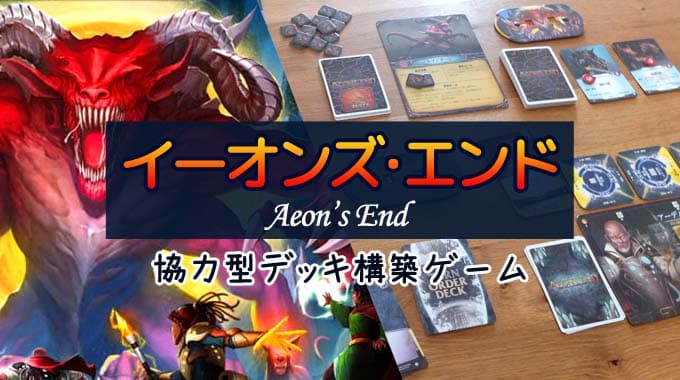
イーオンズエンドを徹底紹介!シャッフル禁止のデッキ構築ゲーム | ぼくボド
イーオンズ・エンド(Aeon's End)は、「デッキをシャッフルしない」というのが特徴の協力型デッキ構築ボードゲームです。プレイヤーは魔法使いとなって協力して、敵であるネメシスを倒すことを目指します。 原版は2016年に発売され
boku-boardgame.netBGG Weight Quick Reference Chart
| Weight Range | General Feel | Best Setting | Watch Out For |
|---|---|---|---|
| Under 2.0 | Intuitive from the first turn | First-timers, icebreakers, short sessions | Can still stall if exception cases pile up |
| 2.0–3.0 | Satisfying decision-making without overload | Weeknight main game, familiar group | Decision paralysis can appear as options multiply |
| Above 3.0 | Committed, deliberate play | Weekend session, regulars, Heavy game fans | Rules explanation load, look-ahead demands, coordination cost |
The key point: don't let the number alone decide if something is beginner-appropriate. Low-Weight games include some of the most replayable titles out there; high-Weight games can be exactly right when the group and time align. Complexity is best read not as "how old do you need to be" but as how much your group enjoys making and anticipating decisions — that framing actually predicts table satisfaction.
Putting the Three Axes Together: Scenario Flowchart
Here's how the three filters — player count → play time → complexity → Rules explanation load — play out against common real-world setups. The focus at this stage is identifying which genre to land in so you're not walking in blind.
| Starting Condition | Branch | Next Filter | Genre to Target | What Makes It Work |
|---|---|---|---|---|
| Player count | 2 | ~30 minutes | 2-player duel or 2-player co-op | Fast turns, readable board state |
| Player count | 3–4 | ~60 minutes | Medium euro, competitive, light co-op | No one waits too long, easy to talk through |
| Player count | 5+ | 30–60 minutes | Simultaneous, co-op, team, party | Reduces Downtime, everyone stays in conversation |
| Group composition | Beginners + veterans | Keep explanation short | Co-op, semi-co-op, draft | More public information = easier to support new players |
| Session goal | Want to really dig in | 60–90 minutes | Mid-to-heavy, narrative co-op, engine building | High payoff but needs a designated explainer and full attention |
Agreeing on who explains the rules and how long that's allowed to take before you start makes the same game land very differently. Leave it unspoken and you get "are we starting yet?" and "I still don't follow" happening simultaneously.
💡 Tip
When in doubt, answer this first: "Do we want to jump in with a quick explanation, or do we want to fully understand the rules before the first turn?" That single question narrows the genre list significantly.
Two Players, 30 Minutes: Head-to-Head or Co-op
At two people with 30 minutes, the first fork is competitive (you want the tension of reading each other) or cooperative (you want the feeling of succeeding together). Both land in 30 minutes but deliver very different experiences.
Competitive works best when winning and losing is the point; cooperative when the conversation during play is what you're there for. Complexity should stay in the introductory-to-intermediate range and the Rules explanation should be short — in a 30-minute window, a long explanation front-loads the session with the less fun part.
What makes two-player games succeed or fail is almost always minimal Downtime and a visible board state. Two people can't hide from each other — if you're having fun it's obvious, and if it's quiet that's obvious too. Games with a lot of public information keep the session shared rather than split. On the co-op side, Hanabi is the cleanest entry point for this format, and the specifics are worth comparing in the next section.
Three to Four Friends, 60 Minutes: Medium-Weight
The widest selection and the most reliable "we played a real game tonight" feeling. At three or four players for 60 minutes, the target genres are medium euro, competitive, and lighter cooperative. This is the easiest slot to fill for a weeknight main event — enough decision-making to feel satisfying, enough tempo to stay comfortable.
The flow: decide competitive vs. cooperative first, then decide whether you can tolerate intermediate complexity or want to stay on the lighter side. Something like Century: Spice Road (30–45 min) is a good north star for the medium side of this range.
The main failure mode in this configuration is one player's turn dragging too long. Three players often forgive heavier turns; four players start to feel it as Downtime. Games where the board state is visible and you're naturally thinking about your next move during others' turns are consistently more comfortable. For group-safety, look for: public information, consistent per-turn processing, no player elimination.
Family of Five or More: Simultaneous / Co-op / Teams
Past five, the organizing principle shifts from "how interesting are the decisions" to "does anyone get left behind?" Long individual turns are dangerous here; when one person deliberates, the rest of the table goes somewhere else mentally. Family sessions amplify this.
The decision tree: if there's a range of ages and you need everyone moving at the same pace, go cooperative; if you want volume of conversation, go teams; if you want to channel the energy of a large group into the game, go simultaneous. Complexity should stay introductory to early-intermediate, and the Rules explanation should be short — with more people, "does this land for everyone in one pass?" is the single biggest satisfaction driver.
The reliable safety feature: everyone moves at the same time, or the public structure lets people catch up by watching. Designs where each player quietly solves an individual puzzle while sitting next to others are the ones that create Downtime gaps at large counts.
Mixed Beginners and Veterans: Co-op, Semi-Co-op, or Draft to Avoid Anyone Getting Left Out
The worst experience in this scenario isn't "the rules are confusing" — it's sitting through your turns without understanding what you're supposed to be thinking about. Cooperative games, semi-cooperative structures, and draft-format games all help because veterans can support new players without taking over, and beginners still have real choices to make.
The filter: if the experience gap is large, steer toward designs where experienced players can help orient beginners during natural conversation pauses. Games with lots of public information help because there's nothing hidden that only veterans know how to read. Drafting formats — "pick one of these, pass the rest" — make it easy for anyone to participate meaningfully even on their first time.
Felt safety depends on how much public information is available and how naturally the structure enables advice. Pure cooperative games enable helping; but if one person ends up directing every decision, the less experienced players feel even more lost. Semi-cooperative and draft formats spread the ownership of choices around, which is their practical value in mixed groups.
For the Rules explanation side of this scenario, the guide on this site about board game instruction structure and pacing is worth reading alongside this article.
A Proper Gaming Session: 60–90 Minutes, Mid-to-Heavy
For "not a bunch of short games — one game, all in": the 60–90 minute mid-to-heavy bracket. The nuance here is what kind of weight: optimization puzzle, or narrative cooperative? The concentration each demands is different.
If competitive deliberation is the goal, aim at the upper end of medium weight. If everyone wants to push through something together, target narrative cooperative mid-to-heavy. If the world and story are the draw, look for scenario-driven designs. Legends of Andor maps well to the adventure-co-op image; Aeon's End suits a group that wants to think hard for 60 minutes. For full narrative immersion at the heavy end, Journeys in Middle-earth is the direction — but factor in the explainer's workload and the group's stamina alongside the game itself.
Success in this scenario isn't judged by the same standard as shorter games. Some Downtime is acceptable if watching other players' turns is engaging and if the conversation is part of the game experience. Public information helps even Heavy games stay collectively watchable; a lot of exception processing when the group's understanding is uneven is where fatigue sets in fastest.
Specific Recommendations by the Three Axes
Abstract advice only goes so far — at some point you have to pick a box. Here are the titles that map most cleanly onto the scenarios above, with player count, time, and age rating included. Treat these as a starting point rather than a definitive list; the section after will link to additional resources for each.
If your group is three to four players and you're not sure where to begin, Century: Spice Road is the most useful single reference point. It sits at the center of the most well-stocked bracket, and once you know how your group feels about it, you can calibrate in either direction.
Century: Spice Road — 2–5 Players / 30–45 Minutes / Ages 8+
Century: Spice Road is a 2–5 player / 30–45 minute / ages 8+ introductory classic. As reviews consistently note, the first play makes immediate sense while repeated play reveals more and more in the sequencing. That pattern — easy in, depth on return — is exactly what a first game should do.
The game's strength is that the Rules explanation stays tight without sacrificing the "I'm actually playing" feeling. The loop of building your hand, converting spice resources, and cashing in for points is clear enough that a new player can follow a single through-line: "upgrade these spices to score higher ones." Veterans find their edge in card acquisition order and the timing of rest actions, so mixed groups tend to hold together without the experienced players coasting.
At three or four players, the board density is perfect — you can see what others are doing without the information becoming noise. At two it leans toward a reading-each-other game; at five it gets a bit busier. "Weeknight, one solid game" — three to four players is consistently the right frame for this one.
On price: used market data from aucfan shows a 30-day average sale price of approximately 4,271 yen (~$28 USD). New retail is a separate figure, so treat that as a rough ballpark rather than a direct comparison. For current pricing, check Amazon or Rakuten with a note that it reflects the listing date.
Hanabi — 2–5 Players / 30 Minutes / Ages 10+
Hanabi is a 2–5 player / 30-minute / ages 10+ cooperative game. It wraps quickly, distributes the win-or-lose feeling across the whole group, and manages to orient mixed sessions without anyone feeling singled out — an underrated skill in a single game.
The hook: you can see everyone's cards except your own, and you play them in order based on hints from the others. On paper it sounds unusual; in practice it generates natural conversation almost immediately — "that might be ready to play," "hold onto that color." Because no one gets knocked out of the running individually, first-time players feel like they belong at the table from the start.
It works in mixed-experience groups because of the simultaneous thinking, sequential confirming quality. Veterans aren't playing a different game; they're just reading the state more precisely. Beginners make real contributions. One-round learning is feasible because the game's feedback loop is tight.
Best at three to four where the consultation has room to breathe, or five when you want the buzzy group energy. For "what if this goes badly and I ruin the session" anxiety — this is the cooperative title that reliably doesn't ruin sessions.
Legends of Andor (Revised Edition) — 1–4 Players / 60–90 Minutes / Ages 10+
Legends of Andor is a 1–4 player / 60–90 minute / ages 10+ mid-weight cooperative. The story-driven format — pushing through a scenario together — delivers a clear adventure payoff, making it the natural pick when the session goal is "one game, full commitment."
What separates it from lighter co-ops is that the discussion is the game. Limited turns force the question of what to prioritize: defend this, resolve that, leave this other thing alone for now. The satisfaction is in the coordination, not just the outcome. People who find competitive games stressful because of decision paralysis often do well here because asking "who goes where?" has a conversational rather than a solitary answer.
The weight is directionally clear — it's not pure optimization, it's narrative judgment — which puts it in a useful position between Light/filler game and Heavy game territory. First-timers to the 60-minute bracket can find their footing through the theme. Solo play is supported, so it also suits regular groups that want a title they can keep coming back to; smaller groups get denser planning, larger groups get more conversation.
Aeon's End — 1–4 Players / 60 Minutes / Ages 14+
Aeon's End is a 1–4 player / 60-minute / ages 14+ cooperative. It sits in the useful space between "too light to scratch the itch" and "too long to fit a normal evening" — right for groups where 90-minute games feel like a stretch but 30-minute games leave something missing.
The distinguishing feature is the deck-building: watching your hand improve and seeing the deck develop is a tangible, individual satisfaction inside the cooperative structure. Many lighter co-ops end at "we kind of all muddled through together." Aeon's End adds a personal growth arc to that — you bought those cards, you sequenced the deck, you felt it get sharper.
That said, the ages 14+ rating signals this isn't casual-entry material — this is for a group that wants something game-shaped. The individual roles and purchasing strategies mean the experienced player can't just direct the whole table; everyone's building something different. That keeps the cooperative dynamic from collapsing into one person calling every shot.
For groups stepping up from 30-minute games and wanting more hand-management depth without jumping to full Heavy game weight, this connects cleanly.
The Lord of the Rings: Journeys in Middle-earth — 1–5 Players / 60–150 Minutes / Ages 14+
Journeys in Middle-earth is a 1–5 player / 60–150 minute / ages 14+ heavy cooperative. At this weight and runtime, the question shifts from "can beginners handle it?" to "how deeply does your group want to live in this world tonight?" This is a weekend session title, built for groups that showed up ready to commit.
The weight pays back differently here — not as complexity for its own sake, but as tension on the journey and richness in the roles people play. Groups who love narrative cooperative games consistently find that the session leaves a clear memory: a specific moment, a tough call, a near failure that became a win. That's what Heavy games are actually selling when they work: the drama earns its weight.
One to five players is genuinely flexible: two or three gives you dense, focused planning; four or five adds the depth of multiple voices in the strategy conversation. It's not a chatty casual-evening game — the board needs your attention — but that commitment is exactly the point. Think of it less as an extension of lighter cooperative titles and more as a destination for people who want to go deeper, with Legends of Andor and Aeon's End as stepping stones along the way.

【ボドゲ紹介】指輪物語:運命の旅|ロード・オブ・ザ・リングの世界を体験できる協力型ボードゲームの概要やレビュー評価など | さっさろぐ
『パンデミック』のシステムを採用した協力型ボードゲーム。フロドや仲間たちを操作し、迫りくるナズグールをかわしながら希望が尽きる前に運命の指輪破壊を目指します。原作の名シーンを追体験でき、自らの選択で物語の行方を左右できる一作です。
sassalog.comFrequently Asked Questions
How Much Should I Trust the Player Count on the Box?
The "2–5 players" or "1–4 players" printed on the box is a useful starting point, not a final answer. For actual selection, don't let the box count be the only input. I cross-reference the supported range with BGG's recommended player count data and how the game actually flows in practice to figure out "what's the real sweet spot here?"
Century: Spice Road plays 2–5, but in a mixed group the board stays readable and the conversation flows most naturally at 3–4. Hanabi also runs 2–5, but the consultation feels most alive when the count isn't too small. Above five, "playable" and "Downtime-free and fun" start to diverge.
Think of the box range as the floor and ceiling, and separately maintain a sense of the best count for that specific game. When reading reviews, look for whether they distinguish between "supported count" and "recommended count" — that distinction is where the useful information lives.
How Do You Explain Complexity to Someone Who's Never Played?
"It's medium-weight" and "the BGG Weight is around X" land somewhere between confusing and meaningless for a first-timer. Swap in concrete language instead. The three descriptors I reach for most: Rules explanation time, how many exceptions there are, and how many things to think about on your first turn.
For Hanabi: "Quick to explain, and what you're trying to figure out is clear. There are real decisions, but each turn has one focused question to answer." For Century: Spice Road: "The rules aren't long, but every turn you're weighing which cards to take and when to cash in points." That reframe turns "is it hard?" into "how much fun does the thinking part look?" — a much easier pitch.
ℹ️ Note
For newcomers, leading with "this one takes about 45 minutes and the explanation is around 10 minutes" lowers the activation energy better than any difficulty label. Knowing the time frame and the thinking load is more reassuring than knowing it's "beginner-friendly."
Heavier titles like Legends of Andor and Journeys in Middle-earth are also better served by specifics: "there are a lot of exceptions to track" and "you're regularly reading ahead several turns and consulting with the group" tells people what the difficulty actually is. "Advanced" means nothing; "you'll be planning three turns out and coordinating with everyone" means something.
How Much Buffer Time Should I Add to the Box Estimate?
Box times assume experienced players in flow. Real sessions add 10–20 minutes for Rules explanation on top of that, plus cleanup. First play adds another 10–20 minutes on top of that. The practical formula: box time + explanation + cleanup.
A 30-minute game like Hanabi with new players realistically runs about an hour once you include the explanation and the post-game discussion. Century: Spice Road (30–45 minutes) works well as a weeknight one-game slot, but if arrivals are staggered, budget a bit more or the session starts feeling rushed.
At 60 minutes and above, the gap matters even more. Legends of Andor and Aeon's End both deliver on their play-time promises, but a shallow start inflates the felt length considerably. The box number is most useful as a proxy for how much concentration the session requires, not the time it will actually take.
What Should I Expect to Pay?
For a first medium-weight purchase, 5,000–8,000 yen (~$33–53 USD) new is a reasonable target range. That bracket covers most of the classic medium-weight titles and keeps you away from both "the selection is too thin" at the low end and "what if I don't like it" anxiety at the high end.
Used brings that down. Aucfan's board game auction data shows a 30-day average sale price of roughly 4,271 yen (~$28 USD). That's a meaningful step down from new — accessible enough for "let me just try owning one" without much commitment. For new retail, price aggregators show where medium-weight classics cluster.
Prices move, so any specific number in an article is a snapshot. New stock fluctuates with availability; used prices vary by condition and edition. The practical read: around 5,000 yen (~$33 USD) new is a comfortable entry point, 4,000 yen (~$26 USD) used is realistic. Once those ranges feel familiar, you can work backward from budget to candidate list.
Wrapping Up: Player Count → Play Time → Complexity, in That Order
The sequence holds: player count → play time → complexity. For groups with first-timers, front-load the filter toward simultaneous participation, cooperative structure, and low exception count — games that don't stall during explanation and don't lose anyone after the first few turns. When those conditions are met, sessions tend to end with "that clicked — can we go again?"
In practice: confirm your headcount, subtract explanation time from your available window, then check how much thinking your group wants against how well they know the rules. Narrow to three candidates, compare player-count-specific impressions from reviews, and confirm that the game's best player count matches your group size. That's where the real decision lives.
From there, the buying guide and beginner recommendations on this site connect the selection logic to specific purchase decisions.
A former nursery school teacher and current board game cafe staff member. With experience recommending games to over 200 groups per month, she finds the perfect match based on player count, time, and group dynamics.
Related Articles
7 Essential Worker Placement Games for Beginners|How to Choose Your First Game
The appeal of worker placement lies in how shared action spaces and turn order create a natural mind-reading game between players. When you play Stone Age with three people on a weekday evening and someone claims the timber spot you wanted, forcing you to pivot toward hunting and dice rolls—that mix of 'frustration at being blocked' and 'the joy of finding an alternative' is the core of this mechanic.
15 Best Two-Player Board Games | Compared by Type
When it comes to two-player board games, you'll have better luck starting with games designed specifically for two rather than picking whatever's popular. That said, there are multi-player games like Azul and Splendor Duel that genuinely shine as two-player experiences.
10 Best Solo Board Games | How to Choose & How Deep You'll Get
Whether you want a quick 15-30 minute game on a weeknight or a solid 90-minute deep dive on the weekend, solo board games get easier to choose once you narrow things down by whether the game is solo-only or has a solo mode, and then filter by play time, weight, and format. This article breaks down 10 titles — including Onirim, Under Falling Skies, and Coffee Roaster — in a clear, side-by-side way.
Best Board Games for 3 Players — Standout Titles Built for Bluffing and Negotiation
Finding the right board game for three players isn't just about headcount. Three-player games occupy a sweet spot — more tension than a two-player duel, tighter reads than a four-player free-for-all — where "who do I stop right now?" and "when do I swoop in for the win?" become genuine strategic questions.