
10 Board Games for Three Generations in Japan | Selection Guide and Comparison
10 Board Games for Three Generations in Japan | Selection Guide and Comparison
During holiday visits or weekend family gatherings in Japan, kids might enjoy a game while grandparents find it hard to join, or the opposite—adult-focused games bore the children. Picking the right three-generation board game is surprisingly tricky. This guide compares 10 titles based on player count, playtime, and age suitability, from games that flow smoothly even at 6-player tables to 30-minute classics.
During holiday visits or weekend family gatherings in Japan, it's common to face a puzzle: kids enjoy themselves while grandparents struggle to join, or the reverse—the games feel too adult-focused and children lose interest. Picking the right three-generation board game is surprisingly tricky. This guide takes player count, playtime, and target age as starting points and compares 10 titles side by side—from games that flow smoothly even at 6-player tables to classic 30-minute favorites.
I've personally brought Onsoku Hanten to a table of six and watched grandparents join in after just one sample round. With Azul, the simplicity of "match and arrange" means no one gets left behind. The real secret to avoiding three-generation misfires isn't finding the most fun game overall—it's matching the game to that specific day's mix of people and attention spans.
By the time you finish reading, you should have narrowed down to three or fewer strong candidates for your family. I'll also walk through the practical setup tips that actually work at crowded tables, from how to explain rules without losing anyone halfway through.
How to Pick Board Games for Three Generations
Why matching the minimum age is the safest bet
When three generations play together, the most reliable baseline is to match the youngest child's target age. If your youngest is 6, focus first on games marked 6+. This matters because family tables live or die on whether the youngest can grasp the rules and decide what to do on their turn without constant help. When the youngest stalls, everyone becomes a support player, and the joy evaporates.
The three core metrics to watch are target age, player count, and playtime—these are standard in family game guides everywhere. Three-generation gaps mean age mismatches hit the youngest hardest; they drop out before experienced players lose interest.
For a 6-year-old start, Onsoku Hanten—2–6 players, ~15 min, 6+—gives flexible headcount, and one demo round gets everyone rolling. Nana also works: 2–5 players, 15–30 min, 6+—number-focused banter keeps age gaps small. Splendor, by contrast, is 2–4 players, ~30 min, 10+, as is Love Letter (2–4 players, 5–10 min, 10+), so they're stretch picks for early-elementary families.
I've noticed that choosing based on "this looks easy for adults" usually backfires. Children grasp simple rules easier than you'd think, and so do grandparents. Minimum age is actually a proxy for keeping explanation load light across the whole table.
【Thorough Comparison】Best Family Board Games for Togetherness
The best family board games are designed so everyone laughs together. Lately kids from elementary age and up are fans, with options suited to early-school learners, games that boost kids' learning, and titles that get the family hyped. But it's easy to misjudge difficulty.
my-best.comTiming: a 15–20 minute warm-up, then 30–45 minutes of satisfaction
Three generations rarely arrive with attention all aligned. Instead of launching straight into a long game, start with a 15–20 min light opener, then move to a 30–45 min satisfier. Once conversation warms, moving to something meatier feels natural rather than intimidating.
Onsoku Hanten (~15 min) and The Mind (~20 min) excel as openers. The Mind runs 2–4 players, ~20 min, 8+, and you play numbered cards in sequence, wordless and cooperative. Rules explanation is short, there's almost no talking during play, so pacing doesn't crack. A first four-player outing including setup takes 30–40 min, and the magic of silent coordination makes age gaps feel like fun rather than friction. I've seen grandfathers with shaky math skills feel totally at home just playing numbers.
For the main course, Azul—2–4 players, 30–45 min, 8+—is genuinely excellent. "Match and arrange" is viscerally satisfying and text-light; new players jump in fast. Expect 45–60 min for a first game of four. Splendor—~30 min, 10+—zips along once people catch on.
If you don't know final headcount (common at holiday visits), 2–6 player range is a lifeline. Onsoku Hanten fits, as does The Game of Life (2–6 players, 6+) and Momotaro Dentetsu Board Game (2–6 players, 6+). The last one shines because year-length settings let you dial playtime: ~30 min snappy, or much longer when the mood allows.
💡 Tip
Three-generation tables rarely work with one "anchor" game. A 15–20 min opener followed by a 30–45 min main course nearly always beats trying to start heavy. It cuts explanation fatigue and waiting fatigue for everyone.
Onsoku Hanten
Sugorokuya Board Game
sugorokuya.jpGrandparent comfort: text clarity, wait times, mental math, color contrast
Grandparents' willingness to play hinges on more than rule complexity. Text visibility, hand-to-hand gaps, arithmetic load, and color distinctness all matter. Research on senior readability shows that contrast and whitespace matter as much as font size, and the same applies to board games.
Games dense with card text—even "family-friendly" ones—can stumble here. Machi Koro is 7+, ~30 min, approachable by name, yet reading card abilities is real work. Love Letter is likewise punchy, but you need to grasp each card's effect to use it well; grandparents or younger kids may drag on that text.
Azul and The Mind keep text minimal. Splendor centers on icons; board state is obvious. The Game of Life and Momotaro Dentetsu trade on fame but pack Japanese text on board and cards—not as simple as you'd think. **The real question: how much time can players spend not reading and just playing?**
Long waits hurt engagement, especially in multi-player games. Short, snappy turns keep grandparents (and kids) from feeling sidelined. Calculation-heavy games tire people out; games where each decision is gut-level and quick keep conversation alive. Articles on board games for seniors confirm it: simple rules and quick feedback loops are the bedrock. That rings true at family tables too.
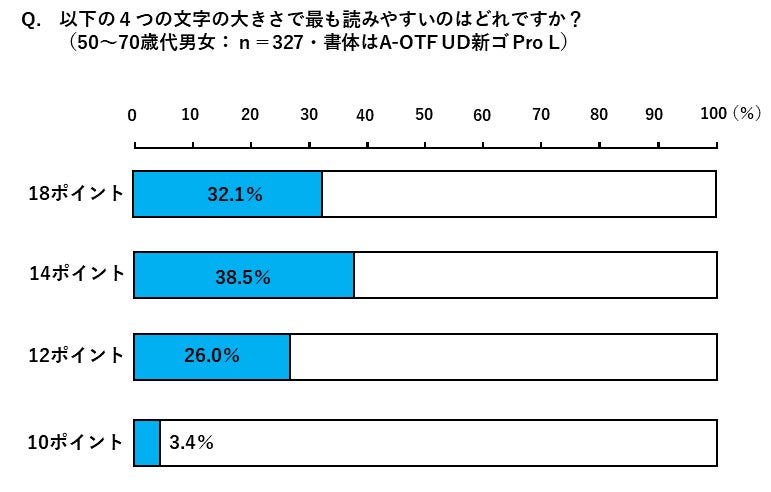
Is Your Message Reaching Seniors? Survey on Readable Text Size, Typeface, and Layout
Press release from Japan SP Center
prtimes.jpCooperative vs. competitive, and keeping the mood light
What happens after the game ends matters more than the rules themselves in three-generation settings. Age gaps are big, people may not know each other's gaming temperament yet—so starting cooperative rather than cutthroat is safer.
The Mind exemplifies this: everyone's pulling the same direction, so shared mistakes don't leave a scapegoat. "That was close!" becomes a laugh instead of a sting. End-game mood stays light. Astonishingly, a wordless game often sparks the liveliest post-game talk.
Competitive games aren't off-limits; it's about whether losing stings. Onsoku Hanten and Love Letter reset quickly—next round dissolves frustration. The Game of Life and Momotaro Dentetsu rely on events and luck, so skill gaps don't calcify. But contemplative games like Azul or Splendor—while brilliant—make score gaps visible, so onlookers feel awkward for the trailing player.
I've learned to ask: Can this game lose without someone feeling bruised? No direct attacks, no eliminations, no unrecoverable setbacks—those three factors keep competitive play peaceable. Conversation-and-speed games work because losing is light. Grandparents also stay looser when they're not in tension.
Rule-teaching itself sets the mood. Rather than painting the full winning path upfront, share the goal first ("we're collecting gems to buy cards"), then live-demo one turn, then play. Families need confidence for first move, not a MBA-level strategy tutorial.
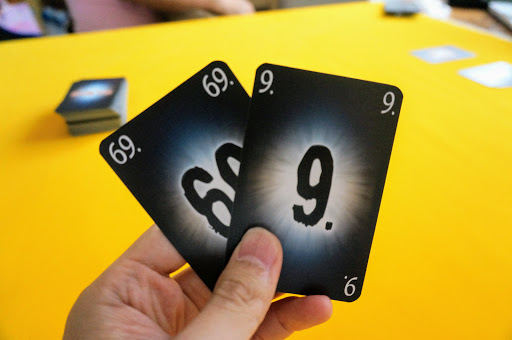
Game Review: The Mind
The Mind asks 1–100 numbered card holders to play them smallest-first, without talking, to win together. Explained and featured on major gaming channels. Deutsches Spiel des Jahres
nicobodo.com10 Best Board Games for Three Generations: A Ranked Overview
Short-format games: 15–20 minutes, everyone plays
These shine when time is fluid—"we've got 20 min before dinner" or "one quick game before bed." Rules are short, and losing stings less, so they're ideal icebreakers for three-generation tables. You can squeeze two rounds of Onsoku Hanten or The Mind before the schedule tightens.
| Game | Players | Time | Age | Price (JPY, inc. tax) | Best For | Three-Gen Take | Type |
|---|---|---|---|---|---|---|---|
| Onsoku Hanten | 2–6 | ~15 min | 6+ | Varies by retailer—check at purchase | First night opener, six-player stretches, post-meal breakers | One sample round and grandparents join. Text-to-action speed is marvelous. | Short / Verbal |
| The Mind | 2–4 | ~20 min | 8+ | Varies by retailer—check at purchase | Quiet focus needed, setting a calm tone | Silent yet sparks endless chatter after. Age gaps become teamwork. | Short / Cooperative |
| Love Letter | 2–4 | 5–10 min | 10+ | Arclight official: ¥1,850 (base) or ¥4,400 (variants) | Few-person games played many times, gap-filler rounds | Bluffing thrills adults; card-reading is a small ask if you narrate text aloud first. | Short / Bluffing |
| Nana | 2–5 | 15–30 min | 6+ | Varies by retailer—check at purchase | Multi-generational family table, eager replays | Number-centric patter bridges child and elder naturally. Quick wins keep replays flowing. | Short / Number-Based |
What ties these four: "play again" comes naturally. The Mind's official ~20 min often stretches to 30–40 on a first try with setup, but the zero-speech puzzle format teaches itself fast.
References to broad family game guides show the same pattern: short time, light rules, conversation-sparking—these traits breed cross-generational flow most reliably.
Mid-length satisfaction: 30–45 minutes
When you want "we actually played a real game today" but can still fit it into an evening, this tier hits perfectly. Looks engaging and tempo matters; these live on hand-momentum and decision appeal.
| Game | Players | Time | Age | Price (JPY, inc. tax) | Best For | Three-Gen Take | Type |
|---|---|---|---|---|---|---|---|
| Azul | 2–4 | 30–45 min | 8+ | Hobby Japan distribution ~¥5,400+ | Four-person deep play, visual beauty matters | Tile-gathering joy is instant; grandparents grasp "match and line" without strain. Budget 45–60 min first time with four. | Mid / Strategy |
| Splendor | 2–4 | ~30 min | 10+ | Hobby Japan distribution ~¥5,000 | Parent-child repeat plays, some puzzle-solving wanted | Icon-heavy board reads cleanly; 10-year gates work well here; gem-engine appeal grows per session. | Mid / Engine-Building |
| Kingdomino | 2–4 | 15–30 min | Varies by edition—confirm packaging | Tile-placement zen, soft competition wanted | Kingdom-building visuals sell themselves; direct-attack softness keeps mood even. | Mid / Placement |
In this tier, lead with "what are we building?" before launching rules. Azul's lush appearance sells "match colors and line them up" instantly; first move comes easy. With four at the table, official 30–45 min usually stretches—pace accordingly. Splendor feels quick once grasped, but early plays take longer. Parent and grandparent players often lean into the lookahead satisfaction; kids feel the joy of "now I can afford the pricey card." Thinking-light language means you can teach by pointing at the board, not reading rulebooks.
Kingdomino leans on shape-fit instinct over number-crunching. It feels good to watch your kingdom grow, and win-or-lose, the board sparks conversation. It's a rare game where grandparent and grandchild can both light up at the visual.
💡 Tip
If you're bringing a strategy game to three generations, open with "can you see what you're doing at a glance?" Azul wins that test; complexity grows only after everyone's seated.
AZUL BY MOUSSY Official Store
azul-m.comClassic toy games: the name-recognition tier
When "how many of you have heard of this?" matters more than rules elegance, classic toy-style games own the room. Everyone recognizes them, headcount flexibility exists, and luck/events soften skill gaps—nobody locks in first position forever.
| Game | Players | Time | Age | Price (JPY, inc. tax) | Best For | Three-Gen Take | Type |
|---|---|---|---|---|---|---|---|
| Machi Koro | 2–4 (variants 2–5) | ~30 min | 7+ | Old edition ¥3,600 (inc. tax), new edition ¥3,500 | Dice lovers, building-growth feel wanted | Mushrooming fun carries the room; reading card text is real overhead, so pre-read aloud. | Classic / Development |
| The Game of Life | 2–6 | Junior stage ~30 min, millionaire stage ~1 hour | 6+ | price.com lowest listing ¥3,480 (inc. tax) | Main-event night, fame over novelty | "I know this game!" = instant seating; multi-generation familiarity is the entire selling point. | Classic / Life Sim |
| Momotaro Dentetsu Board Game | 2–6 | ~30 min to 10+ hours (year-settable) | 6+ | Takaratomy Arts MSRP ¥4,950 (inc. tax) | Long play-day, flexible length, IP nostalgia strong | Name-recognition plus chaos-level events = laughter and no skill lockout. Length-flexibility is huge for three-gen scheduling. | Classic / Network |
Why this tier? Participation barrier is name, not rules. The Game of Life doesn't need explaining—you've all seen it. Grandparents sit down cheerfully. Luck and random events mean one crushing mistake doesn't define the game; comebacks happen. Momotaro Dentetsu shines partly on IP (longtime Japanese series), partly on tunable length—30-min sprint or all-evening romp, your call.
Machi Koro sits between toys and proper games: name-familiar, dice-happy kids, but requires reading ability. It's a bridge game, not a full toy. Comparable guides confirm it's a sweet middle ground.
Quick rule: if participation is the first hurdle, this tier clears it. Then you educate as you play.
The Game of Life
Takara Tomy
www.takaratomy.co.jpBy Genre: Conversation, Cooperation, Puzzles, and Classics
Games that spark chatter
"Warm the room fast" calls for short, reactive games where laughs come before victory math. Onsoku Hanten is the archetype: shout ingredient combos, quick timing, and "how'd you read that?" gets voiced before anyone calculates score. 6-player flexibility is huge here.
Love Letter in a small crew works too: 2–4 players, 5–10 min, 10+. Deduction-bluffing fills the short window; "you're holding that card" banter lingers after. Arclight offers ¥1,850 or ¥4,400 variants; version swaps the tone a bit. Card-reading is a small ask if you narrate text aloud early on.
Nana straddles chat and numbers: 2–5 players, 15–30 min, 6+. Number cards keep age-spread small. Kids grasp rules first, grandparents follow naturally. Replays come easy. The beauty is "that move was clever" echoes instead of "sorry, you lost."
The magic of chat games: they make the next game feel natural. Short rounds let you swap players or add a watcher mid-table. Family guides cite short-form games as tops because in three-generation context, resets matter. Laughter first is a solid opener.
Cooperative games: victory without crushing anyone
Losing-phobic kids need cooperation or quick resets. Swapping one to cooperative mode alone can transform a cranky table.
The Mind (2–4 players, ~20 min, 8+) is the gold standard: you sync-play number cards silently. Failure doesn't single out a loser; it's "we missed that rhythm." First games with four, including resets, hit 30–40 min, and the "we did it!" moment stacks in small wins. I've watched grumpy math-anxious grandpas relax completely—numbers alone, no judgment.
Slide Quest is another route: tilt and roll a marble wordlessly, helping together. Motion over rules means three-gen feel natural. Lighter pandemic-style games exist but need stock checks; direct-instinct cooperation lands softer for first plays.
Cooperation reframes age gaps as role-spread: kids push ideas, parents organize, grandparents read the whole board. What becomes "skill gap" in competitive play becomes "team texture" here. Mood stays buoyant.
💡 Tip
When tempers fray easily, games about "align together" beat "I beat you." Faces stay bright after, not just during.
Puzzle and visual games: grandparents feel smart
"Not too loud, but some thinking wanted" + "reading stress low" = puzzle tier. These straddle chat-vibrancy and pure-strategy contemplation.
Azul typifies this: color tiles, match-then-line, obviously doable. 2–4 players, 30–45 min, 8+. No text-hunting. 45–60 min first time with four = right mental load. Grandparents love "arrange beautifully," kids dig color joy. Splendor dials up thinking (2–4, ~30 min, 10+): icons, no prose. Casual glancing shows game state; surprise "oh, I want that card next time" grows round by round. Grownups savor lookahead; children feel gem-engine growth.
Kingdomino skips calculation drama for tile-fit joy. Multi-player, 2–4, 15–30 min. Shape-sensing over arithmetic. Low-sting competition (no attack leverage) keeps vibes even. Winning or losing, the board charms everyone.
The key: these don't demand teaching in the oldster sense—they invite participation. Grandparent intuition about layout or color equals child speed. Quiet joy beats high-volume fun for some families; when three-gen favorites emerge, puzzle-tier games often get the longest shelf lives.
Familiar franchises: when fame beats novelty
"Half the table has never done 'real' board games" → go familiar. The Game of Life, Momotaro Dentetsu, Machi Koro.
Game of Life (2–6, Junior ~30 min / Millionaire ~1 hour, 6+): You sit without a pitch. Grandparents know it cold. Luck and events keep scorelines loose. price.com baseline: ¥3,480 (inc. tax).
Momotaro Dentetsu (2–6, 6+, ~30 min to 10+ hours, Takaratomy Arts MSRP ¥4,950 inc. tax): The series has cachet. Year-setting makes length negotiable—perfect for "should we stop or keep going?" mood. Event chaos generates laughs; nobody gets permanently buried.
[Machi Koro (2–4 [variants 2–5], ~30 min, 7+)](https://m-machikoro.g-rounding.com/): Dice + growth loop feels like play, not homework. Card text adds responsibility; read aloud and progress flies. Softer than "serious" strategy but meatier than pure toys.
These three trades name-trust for table buy-in. The Game of Life sells because everyone remembers it. Explanations are swift; play starts fast. Perfect for "mixed gaming-savvy" families.
How to Explain Rules So Nobody Gets Left Behind
Lead with goal, then one-turn flow
Three-gen rule-teaching fails when you lead with exceptions or scoring. Grandparents lose sight of "what are we aiming for?" and kids bolt from boredom. Flip the order: goal first, then "here's one turn," then live-demo, then play.
Short openings work: "Azul: collect matching color tiles and line them up. Your turn: grab or place, that's it." Splendor: "Collect gems to buy cards; each turn you grab, reserve, or buy—one of those three." Swap "draft," "resource," "engine" jargon for "grab," "save," "build."
Show objects, not just words. Lay cards/tiles center and close so everyone sees. Visual input cuts the language load. Props matter.
Highlight in writing if you hand out summaries: strong, dark text on white background, bold keywords only. Senior-readability research confirms contrast + whitespace > font size alone.
Board Game Rule Explanation & Teaching Tips
Teaching board game rules (called "insts") is frequent work. Running a board game inn means heavy insting; before that, evangelizing games meant endless teaching practice.
bodogenist.comPostpone strategy; go for first-move confidence
Teachers often blurt strategy upfront: "take this color early," "reserve mid-game," "watch endgame tricks." Stop. Learners need permission to move, not a masterclass.
Kids shut down if "this sounds complicated." Grandparents politely defer. You want first hand down comfortably. Details come while playing, not before.
Azul demo: "Take tiles, place them. We'll figure the rest by doing." Love Letter: "Play your card, tell me what it does, repeat." Kids do better than they learn-then-do. Physical action unlocks understanding.
Insts that backfire: info-dump everything, then play. Insts that land: goal, one turn, watch me do it, go.
One sample round: nerves into momentum
One live demo turn per player, no keeping score, instant switch to real play—this shifts the table from "this is scary" to "let's go."
Azul: Show grabbing and placing once each player, then announce "okay, real game starts—full board now." Boom, they're moving. Grandpa suddenly picks "this column looks clear." Success—he's thinking like the game wants.
Short games (The Mind, Love Letter) need minimal theater. Longer games (Azul, Splendor) benefit from a full-dress walk-through.
Timing: 3 min of goal + flow + sample for Azul = golden. Then you play. Avoid "let me explain the scoring system" at the end of explanation—fold it in later.
Scene-by-Scene Picking Guide
Uncertain headcount? Use a "short warm-up + main course" combo
When you don't know if it's 4 or 6 people, pair a flexible short-timer with a fixed-player main. This is gold.
Holiday night scenario (6 people possible): Onsoku Hanten first (2–6, ~15 min). Cranks up laughter, absorbs headcount swings. Then, once you're down to 4: Azul or Splendor.
Food-plus-20-min window: The Mind or Love Letter alone. Finish and move on, or repeat. No main course needed.
Small family + first-timer grandpa: Nana as opener, then Azul as anchor.
Adult-heavy crew, fame-first: The Game of Life or [Momotaro Dentetsu
Frequently Asked Questions
Answering common pre-purchase questions with a focus on choosing for a three-generation table. Even similar games can differ significantly in fit depending on age range, how losing feels, player count, and readability of components.
What age can kids start playing?
Start from the minimum age on the box or publisher listing. For example, 6+ opens up Onsoku Hanten and Nana; 8+ brings in Azul and The Mind; 10+ adds Splendor and Love Letter.
That said, real-world playability also depends on how much reading and math is involved. For a child right at the borderline age, start with number-driven, intuitive games first. Opening with something like Nana or Onsoku Hanten -- games where you see it and act -- makes it much easier to transition to games that require more thinking afterward.
What about kids who get upset when they lose?
For this personality type, go with cooperative games where nobody shoulders a loss alone, or short-round games that make it easy to reset. The Mind works well here: everyone is working together. A first session with four players runs about 30-40 minutes including explanation, and since small victories accumulate gradually, the mood rarely stalls on a single loss.
For competitive options, Onsoku Hanten and Love Letter are good candidates because rounds are short. Losing stings less when the next game starts immediately. On the other hand, thinky games like Azul and Splendor are enjoyable but make score gaps visible, so depending on the child's mood that day, it may be better to hold off and keep the table calm.
Does it work with 2 players?
There are solid two-player options. For a deeper sit-down, Azul or Splendor; for quick rounds, Love Letter; for a cooperative feel, The Mind. Azul in particular has minimal downtime at two and often wraps up in about 30 minutes, making it manageable for grandparent-grandchild or parent-child pairs.
That said, some games change character at two. Onsoku Hanten, for example, technically works at two but really comes alive with more people. When planning for low counts, checking the comparison table for "how much fun holds up at two" helps avoid disappointment.
What if budget is the priority?
For budget-conscious picks, look at well-known mass-market titles and small-box card games. The classic Game of Life, for instance, has listings around 3,480 JPY (~$23 USD) including tax on Kakaku.com. It seats enough players, the name is universally recognized, and it fills the "just grab one" slot well.
On the small-box side, Love Letter is affordable. The ArcLight edition lists at 1,850 JPY (~$12 USD), though variant editions run as high as 4,400 JPY (~$29 USD). Price differences between editions add up more than you might expect. Meanwhile, Azul starts at roughly 5,400 JPY (~$36 USD) based on Hobby Japan distribution info -- great visual satisfaction, but a higher budget tier for a first purchase.
💡 Tip
On a tight budget, the structure that works is either "one well-known classic like Game of Life" or "one small-box game like Love Letter." Choose based on whether you want table recognition or portability and replayability.
Send your feelings anonymously to someone you like. Love Letter.
love-letter.clubShould I avoid games with small text?
If grandparents will be joining, prioritize strong contrast, ample white space, and whether meaning is conveyed through color and shape over text size alone. PR TIMES has covered how readability depends on color schemes and spacing as much as font size, and Boku Bodo notes that accessible information design heavily influences playability for seniors.
With that in mind, games like Azul and The Mind -- which can be played without constantly reading text -- are strong for three-generation tables. Conversely, games like Machi Koro and Momotaro Dentetsu involve more on-card or on-map reading. They are plenty fun but fit better as "for experienced members" than as a first game. When I hit a text-heavy rule sheet, I find that summarizing key points verbally beforehand or zooming in on the relevant sections dramatically speeds up learning. The practical filter is not avoiding the game itself but asking whether you can reduce the reading load.
Wrap-Up
If you are stuck deciding, start by trying games at a board game cafe or through rentals (see our Board Game Cafe Beginner Guide for details), then confirm stock availability, Japanese-edition status, and pricing on retail pages before purchasing. That is the shortest path to a good decision (also see our guide on Buying Your First Board Game).
Related Articles
12 Best 2-Player Cooperative Board Games in Japan | How to Choose Without Winners or Losers
Looking for a 2-player board game but worried competitive play will create tension? Cooperative games where you work toward the same goal through conversation are perfect. This article breaks down three types—fully cooperative, high-score update, and one-time experience games—and covers titles like Codenames: Duet, EXIT: The Game, and more.
12 Best Board Games for Elementary School Kids | By Grade Level
Choosing board games for elementary schoolers gets tricky when everything is lumped together as "for kids." The truth is, younger kids need games with quick rules and short playtimes, while older kids want depth and strategic challenge — and satisfaction levels vary a lot depending on which you pick.
Top 10 New Year's Board Games for Family Fun in Japan | How to Choose Games That Get Everyone Excited
For New Year's family game nights in Japan, what matters most isn't whether a game is a classic—it's whether everyone can jump in immediately and the atmosphere stays positive even when someone loses. When grandparents, parents, and children gather at the same table, celebrated titles like Catan (a trading and resource management game) are reliable, but they can sometimes feel a bit heavy for a first pick.
20 Best Board Games for Beginners — Sorted by Player Count and Play Time
A curated list of 20 beginner-friendly board games with player counts, play times, complexity ratings, rules explanation times, and reference prices — ranked from easiest to introduce.